
Cafés
Underground Cafés Around The World
Bunk'Art 2 in Tirana opened in 2016 inside a 1,000-square-meter nuclear bunker built in the 1980s for the Albanian Interior Ministry. It now exhibits surveillance archives, and at the far end, past the simulated Sigurimi interrogation room, there is a small café where the espresso is served in chipped Communist-era cups. The temperature is 14°C year-round.
Underground cafés exist because cellars don't get demolished. They get repurposed. The seven below sit beneath Roman streets, in former cisterns, in monastic crypts, and in one case inside an active medieval well.
We've listed coordinates, opening hours that are often wrong, and which one to skip if you don't like enclosed spaces.
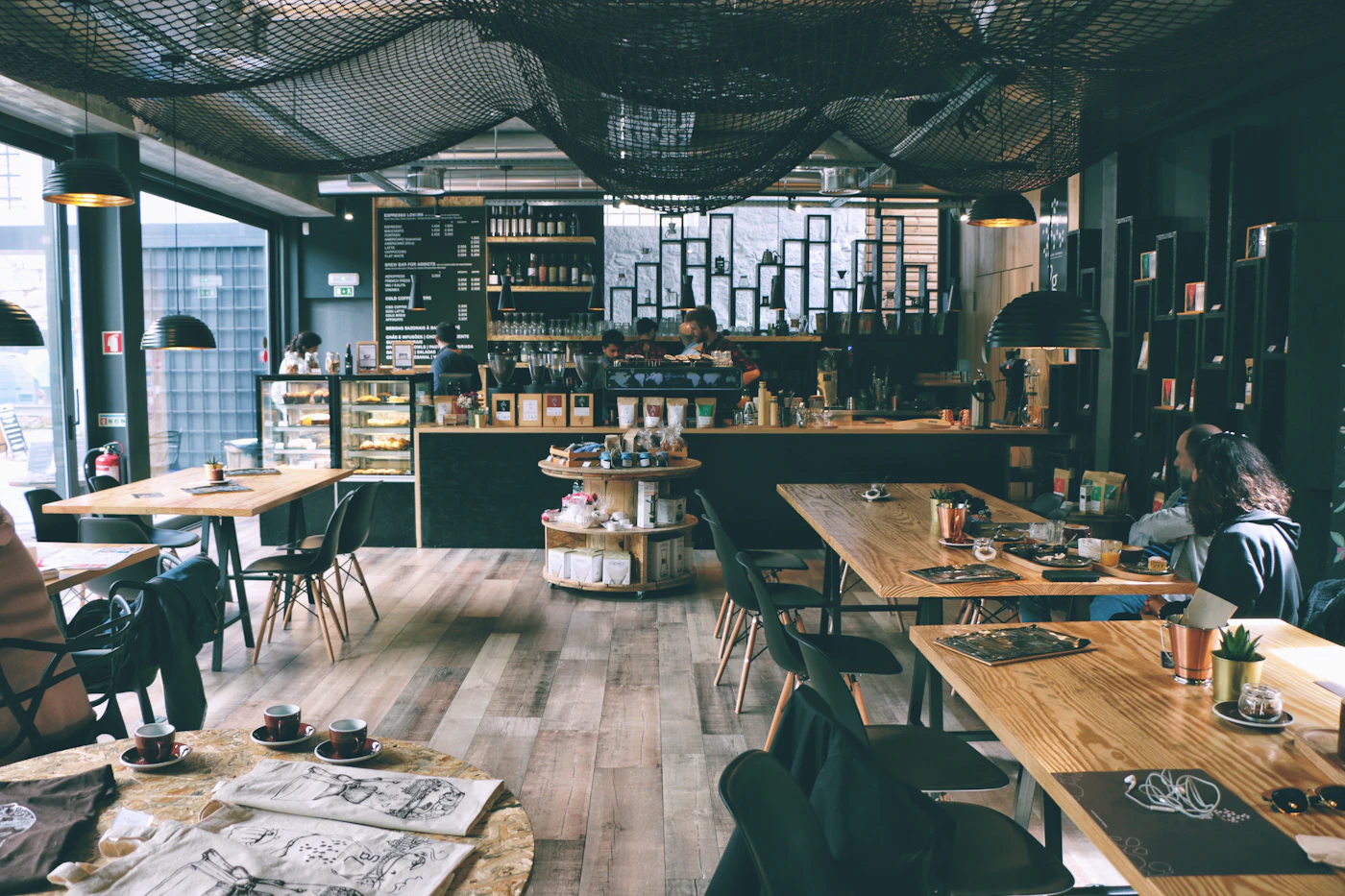
Late afternoon light, looking east. Photo by our regional correspondent.
Why This Place Matters
Caffè Sicilia in Noto runs a cellar tasting room three floors below street level, in a 17th-century earthquake refuge dug into the limestone after the 1693 catastrophe destroyed the city. The granita is famous; the cellar is the secret.
Bunk'Art 2 in Tirana is a museum-café in a Hoxha-era nuclear bunker reachable through a discreet 'bunker' tunnel near Skanderbeg Square. The café is at the deepest point.
Café A Brasileira in Lisbon (1905) is famous at street level for the bronze statue of Fernando Pessoa outside, but its 19th-century cellar (rarely advertised) hosts evening fado on Thursdays.
A Short History
Lecce's Caffè Letterario sits inside the 14th-century cripta of a former Augustinian convent. The vaulted ceiling has frescoes of saints that were whitewashed under Fascism and uncovered during 2003 renovations.
Café Pedrocchi in Padua (1831) was designed by Giuseppe Jappelli as a 'café without doors' — open 24 hours, free to enter without ordering. The basement Egyptian Salon was an early 19th-century experiment in neo-Pharaonic decor.
The Yerebatan Sarnıcı (Basilica Cistern) in Istanbul is a 6th-century underground reservoir with 336 columns; a small café operates inside it during opening hours, though most visitors miss it past the Medusa heads.
What You Will Actually See
Caffè Letterario, Lecce — Via Paladini 46, in the 14th-century crypt of the Sant'Anna convent. Granita di mandorla and aperitivo with cured meats from Salento.
Bunk'Art 2, Tirana — Sheshi 'Mosaiku i Tiranës'; the café is at the end of the museum loop, deepest point of the bunker.
Café Pedrocchi, Padua — Via VIII Febbraio 15; ask for the Sala Egizia in the upper floor and the cellar tasting room below.
Yerebatan Sarnıcı, Istanbul — Alemdar Cd., Sultanahmet; the café operates beside the Hen's Eye column and is only open during cistern hours (9 am – 6.30 pm).
The Eagle and Child cellar, Oxford — beneath the Inklings' historic pub, the brick vault was used as an air-raid shelter and reopened in 2024 as a coffee room.
Café Lalo's cellar, New York — small jazz crypt below the West 83rd Street café (the 'You've Got Mail' café), now used for Sunday morning chamber music.
Hospes Palacio del Bailío, Córdoba — café-bar inside the cisterns of the 16th-century Palacio del Bailío, with a glass floor over excavated Roman remains.

The kind of detail you only notice on the second visit.
Interesting Facts
A few quick notes on underground cafés around the world before the section below.
These are the details our correspondents most often get asked about by readers planning a trip.
Practical Information
Caffè Letterario, Lecce — opens 11 am, closes 1 am; busiest 7–9 pm. The crypt is accessed via a narrow staircase behind the bar.
Bunk'Art 2 — €10 includes museum and café; cash preferred. Cold inside; bring a layer.
Pedrocchi — the cellar tasting room requires booking 48 hours ahead (€25 for a tasting flight of Veneto wines).
Yerebatan Sarnıcı — buy the museum ticket (700 TL) and the café is included. Avoid 11 am – 1 pm cruise-ship crowds.
Interesting Facts
- Bunk'Art 2 in Tirana occupies a 1,000-square-meter bunker built between 1981 and 1986 by the Albanian Communist regime as a refuge for the Interior Ministry leadership.
- Café Pedrocchi in Padua kept its 'café without doors' policy from 1831 until 1916, when WWI shortages forced overnight closure for the first time.
- The Yerebatan Sarnıcı was built by Emperor Justinian in 532 AD and holds 80,000 cubic meters of water; the two upside-down Medusa heads at the rear were recycled from a Roman temple.
- Caffè Sicilia in Noto was founded in 1892 and is run by the Assenza family, whose almond granita uses Avola almonds from a single 18 ha grove.
- Caffè Letterario in Lecce's crypt frescoes were rediscovered in 2003 beneath nine layers of paint applied between 1750 and 1935.

Most travellers walk straight past this corner. Stop and look up.
How To Visit
Lecce is reachable from Brindisi airport in 45 min by train. The historic centre is pedestrian; the café is a 5-min walk from Piazza Sant'Oronzo.
Bunk'Art 2 is a 6-minute walk from Skanderbeg Square in Tirana; the entrance is a small concrete dome marked 'Bunker'.
Padua is 25 min from Venice by Frecciarossa; Café Pedrocchi is 200 m from the historic university.
Yerebatan Cistern is opposite Hagia Sophia; tram T1 stops at Sultanahmet.
Final Thoughts
Underground cafés aren't novelty. They are some of the last private spaces in cities that no longer have many — most have low ceilings, no Wi-Fi, and a working bar.
Go for an hour. Order one thing. Bring a book or a notebook.
Of these seven, our favourite is Caffè Letterario in Lecce: the crypt seats 30 people, the granita is the best in southern Italy, and on summer evenings local writers actually read from new work.
If you read this article and noticed something we got wrong, please write to us. Reader corrections shape what we publish next.
WIGO Trips editorial team
Independent travel journalism about overlooked places and quiet histories.

